
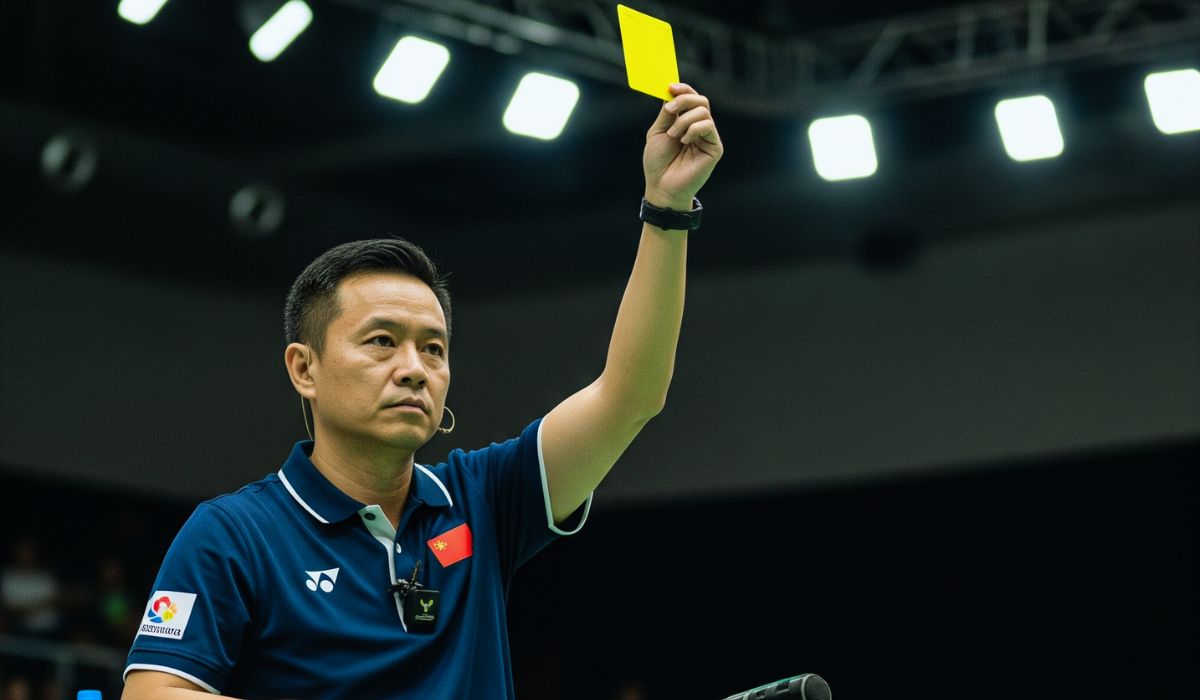
How One Yellow Card in Badminton Can Crack Your Confidence—or Fuel Your Fire
Introduction: The Power and Peril of the Yellow Card
Few moments on the badminton court feel as sharp as seeing a yellow card in badminton waved at you. It is a warning—but it can feel like a punch. Conversely, it can also snap you into focused power, sharpening your mind and raising your game. The yellow card in badminton is both a threat and an opportunity. To understand it means to play smarter, stay calm under pressure, and use it to your advantage rather than be crushed by it.
What Does a Yellow Card Actually Mean?
yellow card in badminton is a formal warning from the umpire. It signals that you have committed a fault serious enough to require caution, but not severe enough for immediate disqualification. It could be for continuous delay, repeated service faults, deliberate time-wasting, or improper behaviour. The card puts you on notice—any further offence, and you could face harsher consequences. The key is handling it correctly.
How It Feels: The Emotional Sting
When a yellow card in badminton is shown, your heart tends to spasm with tension. A single glance at that yellow slip can knock your rhythm. Doubts whisper: Can I still win? Am I losing control? It’s a moment that can break your composure—or flip a switch and make you mentally sharper. That psychological edge can turn the card from a threat into an emotional turbocharge.
The Rules Behind the Warning
According to official regulations, a yellow card in badminton may be issued for offences like delaying service, abusive language, disrespectful behavior, or persistent disagreements with the umpire. It is up to the umpire’s discretion, but they must always explain the reason clearly. Understanding these rules before you step on court protects you from avoidable mistakes and gives you clarity under pressure.
When a Yellow Card Becomes a Red One
A yellow card in badminton stands alone until another rule is broken. A second offence often leads to a red card—which can disqualify you or deduct a point or more. That escalation can come with little warning. With that knowledge, the moment you hear your opponent’s shoe squeak—or sense tension in your grip—you must reset mentally before even serving again.
How Pros Handle It: Smart Response and Recovery
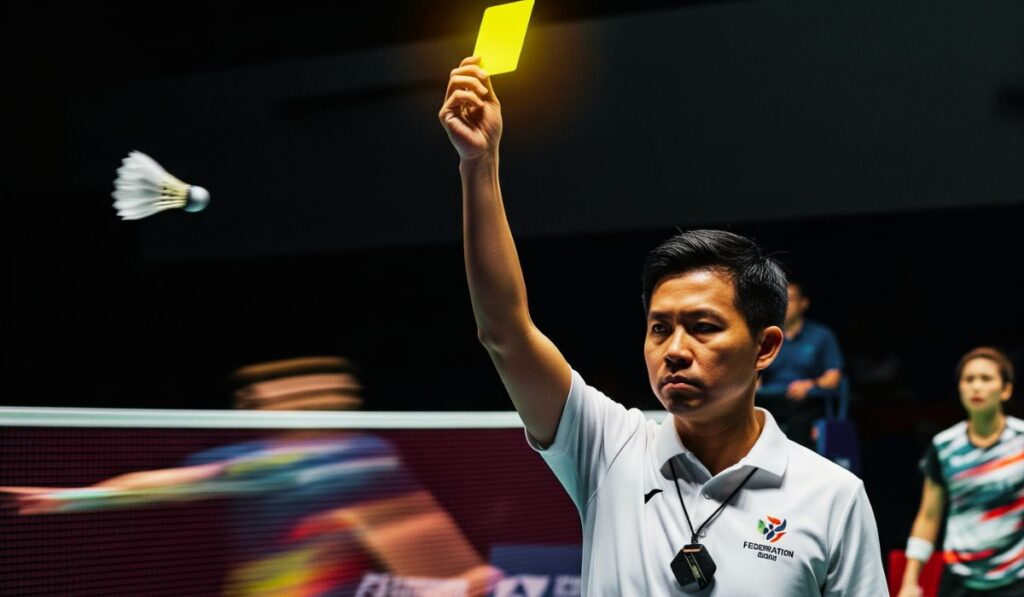
Top professionals treat a yellow card in badminton as a wake‑up call. Rather than crumbling, they pause, breathe, and reset. They don’t tighten their grip on the racquet in fear—they loosen it and simplify their game. That small shift from fear to focus often stops the momentum of mistakes. They turn the moment into a brief mental timeout to recalibrate, not resign.
Why Many Players Mismanage It
Most players approach a yellow card in badminton with guilt, shame, or panic. They fear judgment—from the umpire, crowd, even their opponent. But the real battle is internal. It’s the tension in the wrist, the jitter in breath, the leap in heart rate. These reactions create a feedback loop, causing shakiness, rushed strokes, or misjudged rallies. The best remedy is conscious breath, slowed movements, and a reset mindset.
Using the Yellow Card to Your Advantage
A yellow card in badminton can backfire on your opponent too. If they are too aggressive or combative, they may accumulate warnings themselves. Some players lose composure trying to unsettle you—only to bring the warning down on their own head. Observe their behaviour, stay calm, and let their impatience become their downfall.
Sensory Awareness: Reclaiming Control
Stay in your body. Feel the weight of your racquet in your hand. Listen to the squeak of your shoes. Sense the breeze across the court. These sensations anchor you to the present moment. After a yellow card in badminton, shifting awareness from mental tension to physical sensation helps you stay grounded. It centers your mind and steadies your strokes.
Training to Avoid Yellow Cards
During practice, simulate distractions or small rule infractions so you can train your reaction. Set self‑imposed warnings for stepping over lines or delaying serves. Let it become uncomfortable, so if it happens in a real match, your brain doesn’t panic—it just shifts and focuses. That rehearsal builds emotional resilience even before the pressure hits
Mental Strategies for Resetting On Court
Many players benefit from micro‑routines: a deep exhale, centering step to the T, clasping the racquet loosely, clearing the mind. Others use a simple mantra like “Let it go” or “Reset.” These little rituals signal to your nervous system it’s safe to continue. They break the emotional feedback loop. And they transform the yellow card from a warning into a turnaround point.
The Psychological Swing: Negative to Positive
That yellow card in badminton is negative. It spells risk. But how you interpret it decides whether you shrink—or sharpen. Imagine each glance at the card actually fuels your focus. Let it awaken your determination, not your dread. That reverse thinking is key to shifting from self-doubt to self-mastery in the middle of a rally.
Coaching Perspective: Teaching Players to Grip Their Focus
Coaches often train athletes on technical skills, footwork, or injury prevention. But elite coaches also teach emotional control. They simulate tension through forced penalties or warnings. They ask players to continue rallies through judgement calls. Over time, players build trust in their reactions and resilience to distraction. That mental muscle is as important as physical strength in competitive badminton.
Yellow Card Situations to Watch as a Spectator
If you watch pro matches, spot when a player receives a warning. Notice how they react. Do they tighten? Slow down? Stay calm or lose rhythm? These reactions tell you much more than the final score. Champions don’t just hit the shuttle well—they manage their skin, breath, and ego under threat. Observing this strategy sharpens your own game.
Historical Use of the Yellow Card in Badminton
The use of cards in badminton wasn’t always part of the game. The yellow card, as a formal disciplinary tool, was introduced by the Badminton World Federation to bring structure and authority to the game. Before its inclusion, players often pushed the boundaries of time delays or disrespect without structured punishment. With time, the yellow card became a psychological and tactical tool used not just to penalize but also to maintain the rhythm and fairness of the match.
The Role of the Umpire and Their Judgment
The umpire is central to how the yellow card in badminton is applied. Unlike line calls that can be challenged with Hawk-Eye technology, judgment over behavior is purely subjective. This puts immense pressure on umpires to remain neutral and fair while being sensitive to emotional dynamics on the court. A premature yellow card can shift a game unnecessarily, while a delayed one can allow disruptive behavior to take root.
Cultural Influence on Card Usage
Interestingly, players from different cultures react differently to being cautioned. In Western countries, athletes may respond with visible debate or assertive questioning, while in many Asian cultures, the yellow card is often met with silence and suppressed emotion. These cultural responses can influence the pace of the game and the emotional tone of a match. Understanding these layers makes badminton not just a physical sport, but a human, cultural, and emotional drama.
Difference Between Singles and Doubles Dynamics
The psychological weight of a yellow card in badminton changes depending on the format. In singles, the pressure is entirely personal—your mistake, your penalty. But in doubles, the stakes feel more complex. A yellow card to one player can affect the energy between both partners. It may introduce blame, frustration, or anxiety. Successful doubles pairs know how to defuse this pressure instantly to avoid disrupting team synergy.
Common Situations That Lead to a Yellow Card
Most yellow card in badminton are issued for specific recurring issues. These include persistent time-wasting between rallies, aggressive gestures or language, failing to report to court in time, repeated service faults, or excessive disputing of calls. Each scenario reveals a crack in the mental armor of the player. Recognizing these patterns allows athletes to proactively build strategies that reduce the risk of being warned.
When the Yellow Card Feels Unfair
Sometimes, a player receives a yellow card not because of misconduct, but due to misinterpretation by the umpire. Maybe the shuttle slipped during serve, or emotions flared after a tight call. These moments can feel deeply unfair—especially if they come during critical points in the match. That sense of injustice can derail even experienced players. Mastery lies in letting go of that resentment instantly and not letting it affect the next rally.
Emotional Spiral After a Yellow Card
The mental aftermath of a yellow card can turn into an emotional spiral. First comes the shock, then frustration, then the feeling of being watched or judged. Each emotion feeds the next, and soon the player’s body language shifts—strokes become tight, the stance more rigid, the breath shallow. It takes intentional emotional discipline to break that chain reaction and reenter a state of flow.
Impact on Momentum
Badminton is a rhythm sport. Momentum matters. A yellow card can interrupt a streak, pause the game, and reset the energy—sometimes helping the opponent regain footing. That’s why many players view a yellow card not just as a warning, but as a shift in tempo. Understanding how to regain your rhythm after this disruption is crucial to bouncing back quickly and decisively.
How the Audience Reacts
Spectators, especially in large tournaments, often react strongly to a yellow card. Sometimes they support the player, showing sympathy or disapproval of the umpire. Other times, they cheer for the action, adding pressure. That external reaction can fuel or frustrate the athlete. The best players tune out the crowd noise and return their attention to the shuttle, not the judgment.
Psychological Advantage for the Opponent
A yellow card in badminton doesn’t just impact the warned player—it also influences the opponent’s mindset. Many seasoned players use it as a subtle advantage. They stay calm, breathe deeply, and intentionally slow their pace to maintain composure. They may even take a quick glance at the warned player to signal dominance. Without saying a word, they reclaim mental space on the court.
Visual Body Language After Receiving a Card
Body language after a yellow card in badminton says everything. Slumped shoulders or frustrated gestures tell the opponent you’re rattled. A still face, slow blink, and steady breathing show control. Coaches train athletes to master not just physical movements, but micro-expressions. Every gesture on court communicates intent, stability, or weakness. After a warning, staying composed visually is as important as staying composed emotionally.
Youth Players and Their First Warning
For younger or amateur players, the first yellow card in badminton can feel devastating. Some take it as a personal failure. Others become afraid to play freely, tightening up their movements. That’s why mental coaching and awareness are essential from early on. Teaching players that the yellow card is part of the learning process helps normalize it and reduce its emotional sting28. Recovering From a Warning Mid-Tournament
In long tournaments, a yellow card doesn’t just affect one match—it can stay in your mind across rounds. The fear of receiving another warning or being perceived as volatile might cause hesitancy in later matches. That’s why high-level players often have rituals to clear mental baggage between rounds. It could be journaling, music, breathwork, or quick tactical debriefs with coaches. Emotional hygiene becomes part of performance maintenance.
Media Coverage and Perception
Media coverage of yellow cards in badminton tends to amplify controversy. Headlines often focus on the drama or dispute, not the human complexity behind it. For athletes, this spotlight can feel harsh. But it also builds resilience. Learning to handle public perception, own mistakes, and move on with grace becomes part of maturing into a professional athlete.
How Coaches React to a Yellow Card
A yellow card in badminton is not just a signal to the player—it’s a wake-up call for the coach as well. Experienced coaches don’t just sit back when one of their players is cautioned. Instead, they begin watching their player’s behavior more closely. Some may give subtle hand gestures from the sidelines to remind the player to calm down or focus. Others might keep their composure entirely, knowing that showing panic from the coach’s chair could worsen the player’s state of mind. A yellow card in badminton becomes a test of the player-coach relationship, especially in high-stakes matches.
Yellow Card and Its Influence on Referee’s Confidence
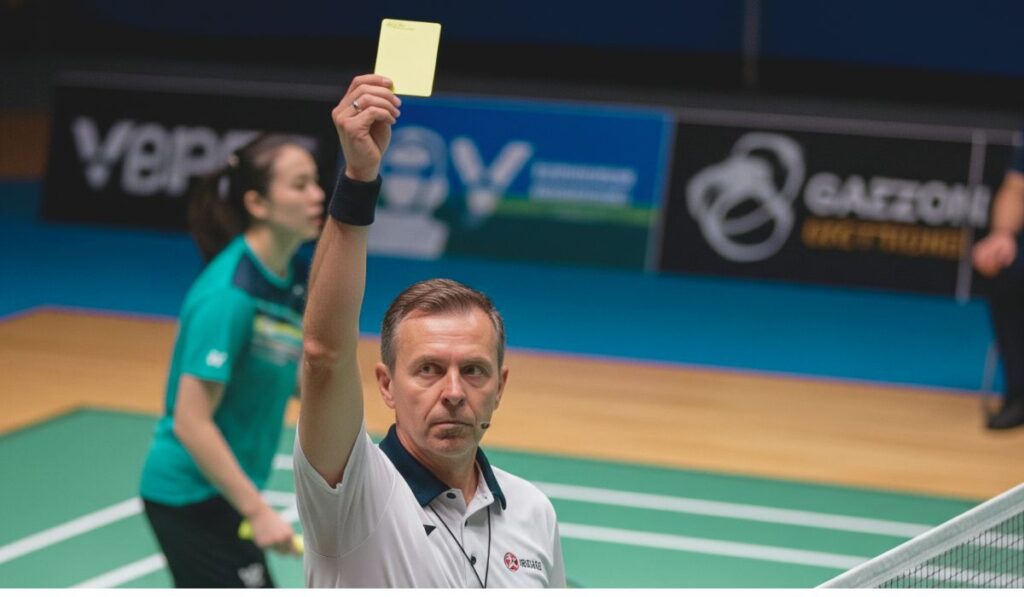
The umpire, like the player, is under scrutiny. Issuing a yellow card in badmintonis not always easy. A referee might hesitate if the match is tight or the crowd is aggressive. Every decision they make—especially visible ones like issuing a card—adds to their psychological burden. If players argue, it can rattle a less-experienced umpire. But if the decision is backed with clarity and consistency, it builds their confidence. Over time, the way referees issue yellow cards can define their authority, respect, and career in officiating.
The Yellow Card as a Turning Point in Narratives
Every match tells a story. And sometimes, the yellow card in badminton becomes the chapter that changes everything. Fans remember moments like these—the shift in pace, the rise in emotion, the suspense that follows. Whether the warned player recovers or crumbles becomes part of the game’s mythology. The yellow card in badminton, while small in action, can be monumental in narrative. It creates tension, reveals character, and intensifies the drama in ways that statistics alone never can.
How Players Use the Yellow Card to Reflect
For many athletes, the moment after receiving a yellow card becomes one of unexpected clarity. When they’re pulled out of the rhythm and forced to face a warning, some use that moment to breathe, re-focus, and reset. They begin asking themselves questions—why did this happen, how did I let it happen, what do I do now? yellow card in badminton, then, becomes more than punishment. It becomes a mirror. In that reflection lies a choice: to collapse under pressure or rise into renewed determination.
The Yellow Card in Training and Simulation
Coaches and sports psychologists have now begun to simulate yellow card scenarios in training. Just like players practice smashes and net shots, they now rehearse what to do emotionally and strategically after a warning. Players might be randomly cautioned in practice matches just to train their response. This helps them normalize the experience and avoid emotional whiplash when it happens in real games. When the unexpected becomes familiar, performance becomes stronger under stress.
More Than a Card, It’s a Character Test
In badminton, the yellow card might seem like a mere administrative detail—a colored flash from the umpire. But to those who understand the emotional layers of the sport, it’s something far more revealing. It’s a test of mental fortitude, emotional control, and personal growth. Whether you’re a player, coach, or spectator, understanding the true meaning of that yellow card can deepen your appreciation of the sport. Because sometimes, it’s not the shuttle or the score that defines the match—it’s how you handle the moments when the game stops and character takes center stage.
Mastery Beyond Technique
In the end, the yellow card in badminton is not just a symbol of caution. It is a call to courage. It challenges players to confront their emotional blind spots, regain focus, and stand tall. It offers a choice: to spiral into frustration—or rise with clarity and grace. Every athlete will face that moment. What matters is what they do next.
Final Thoughts: Turning Caution Into Courage
The yellow card in badminton is more than a rule—it is a catalyst for emotional growth. It reveals where your focus fractures under pressure. And if you train how to respond, it becomes a tool—not a trap. Your real mastery lies not just in your grip, footwork, or shot technique, but in your ability to stay steady when the umpire raises the thin yellow board. That is where champions are made.
2 thoughts on “yellow card in badminton”