
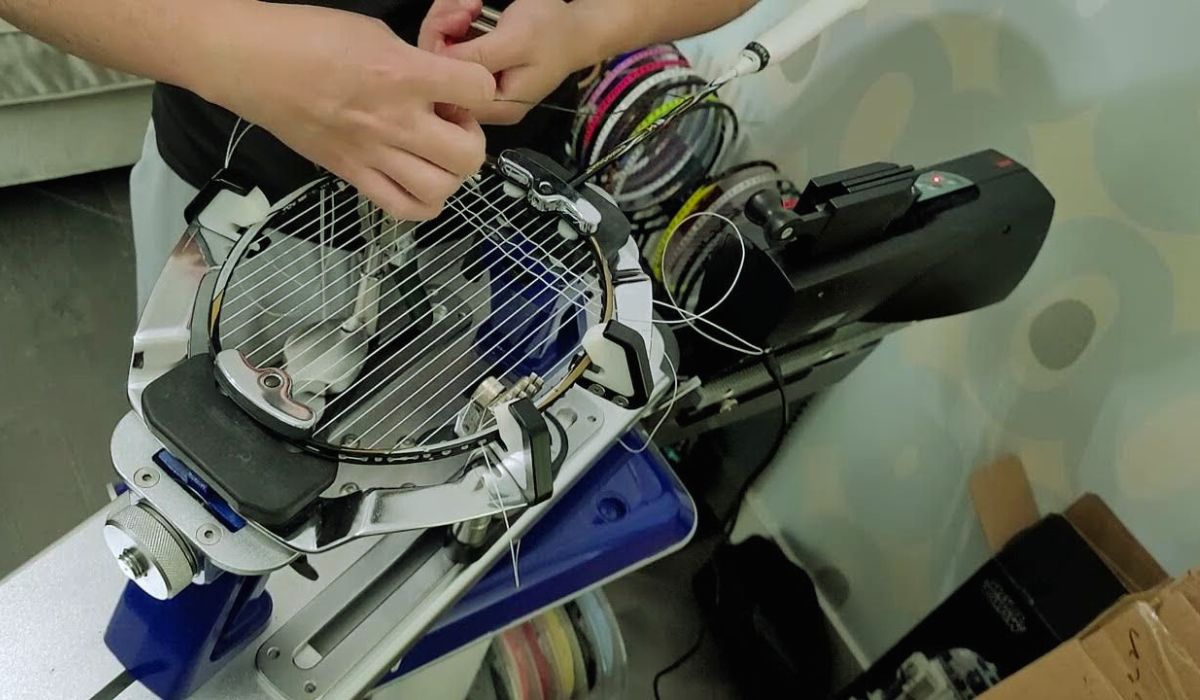
Choosing the right badminton racket string tension could be the game-changer you didn’t know you needed — or the very thing that’s sabotaging your performance. It’s not just about hitting the shuttle; it’s about control, feel, and confidence. One wrong tweak, and everything can fall apart. But the right string tension? It can elevate your game beyond your wildest expectations.
Understanding the Basics of Badminton Racket String Tension
Badminton String tension refers to how tightly the strings are pulled and fastened to the frame of your badminton racket. The tension is measured in pounds (lbs), and it typically ranges from 18 lbs to 30 lbs. Lower tension creates a softer string bed, while higher tension offers a stiffer and more responsive surface. The tension you choose plays a direct role in power, control, and feel during a match.
Why Tension Matters More Than You Think
It’s not just a technical detail. Your Badminton string tension affects every aspect of your play — from your smash impact to your net drop precision. If your racket feels too stiff or too soft, your confidence dips. The emotional connection between player and racket can’t be underestimated. The wrong Badminton string tension feels like a betrayal, while the right one feels like an Badminton Racket String Tension extension of your hand.
Low String Tension: Power With Comfort
Rackets with lower tension — typically between 18-22 lbs — offer a trampoline effect. The strings stretch more upon impact and give the shuttle a significant power boost. This is especially beneficial for beginners or casual players who may not yet have the technique to generate powerful shots. It’s also more forgiving, reducing the chances of injury or fatigue.
High String Tension: Control With Precision
On the other end, advanced players often go for higher tension — above 24 lbs — which offers better control, sharper placement, and crisper feedback. The strings bend less, so the shuttle doesn’t linger on the racket. Every hit feels intentional. However, high tension rackets demand more skill and arm strength, making them unsuitable for those still refining their technique.
Matching Tension With Your Playing Style
Are you a power smasher or a net wizard? Your style should determine your tension. Aggressive backcourt players who rely on smashes may lean towards lower tension for explosive power. Meanwhile, technical players who thrive on accuracy, drop shots, and deceptive plays prefer higher tension for that fine touch. It’s about harmony between your body and your racket.
Player Level vs. String Tension
Beginners usually benefit from 18–22 lbs, intermediates might experiment with 22–25 lbs, and professionals or tournament players often push above 26 lbs. But don’t blindly copy pros — what works for them may ruin your game. Think of your racket as your partner, not a trend to follow.
String Material: It Plays a Role Too
While Badminton Racket String Tension is crucial, so is the string material. Nylon strings are common for their durability and affordability, but multifilament strings provide a softer feel and better repulsion. Gut strings are premium and offer superior feel, but they break faster. Your tension choice must go hand-in-hand with your string type for best results.
Weather Conditions: A Silent Influencer
Humidity, temperature, and altitude can subtly impact your Badminton Racket String Tension . Cold weather can make strings feel tighter, while heat loosens them. Professional players often re-string their rackets based on tournament locations. Recreational players in India’s humid climate may find mid-range tension ideal to balance feel and performance.
String Tension and Injury Risk
Too high Badminton tension without the proper technique can lead to wrist, shoulder, or elbow injuries. The vibration from a stiff string bed transfers more shock to your arm. If you’re feeling pain or fatigue after a session, it might not be your form — it might be your Badminton string tension screaming for a change.
Does String Tension Lose Over Time? Absolutely.
Just like tires lose pressure, strings lose tension. Even unused rackets will gradually become looser. Factors such as hitting force, storage conditions, and time all contribute. A good rule of thumb is to restring your racket every 2–3 months if you play regularly.
Testing Tension: Don’t Guess, Feel It
There’s no substitute for trial. Borrow rackets from teammates with different tensions. Pay attention to how your smashes, clears, and net shots feel. If you’re consistently off in timing or power, your Badminton Racket String Tension may need adjustment. Feeling is believing when it comes to racket Badminton string tension.
The Myth of “Higher Tension is Always Better”
One common mistake is assuming higher Badminton Racket String Tension means higher skill. It doesn’t. In fact, using tension that’s too high for your ability can ruin your timing and technique. Your progress may stall or regress. Be honest with your skill level and play to your strengths.
When to Adjust Your Tension
If you’ve been using the same Badminton Racket String Tension for months without seeing performance improvements — or worse, feeling discomfort — it’s time to tweak. Players hitting the gym and gaining muscle may need higher tension. Those recovering from injury may need to dial it down for recovery.
Choosing the Right Tension for Kids
Junior players need rackets that don’t strain their growing arms. Badminton Racket String Tension around 18–20 lbs are perfect for kids, offering a blend of control and safety. Pushing higher tension can lead to early injuries or discourage them from continuing in the sport.
String Tension by Brand: Not All Frames Are Equal
Different brands have different racket frame tolerances. For example, Yonex frames are tested for high tension, sometimes up to 30 lbs. Cheaper brands might only support up to 24 lbs before the frame risks cracking. Always check the manufacturer’s recommended range before adjusting your tension.
Can You Adjust Your Own Tension?
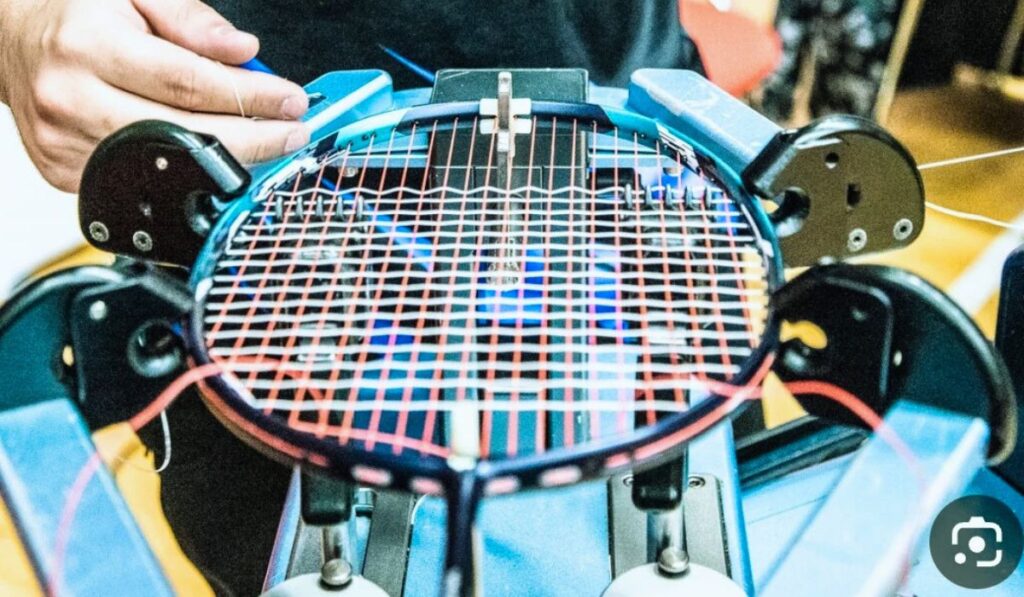
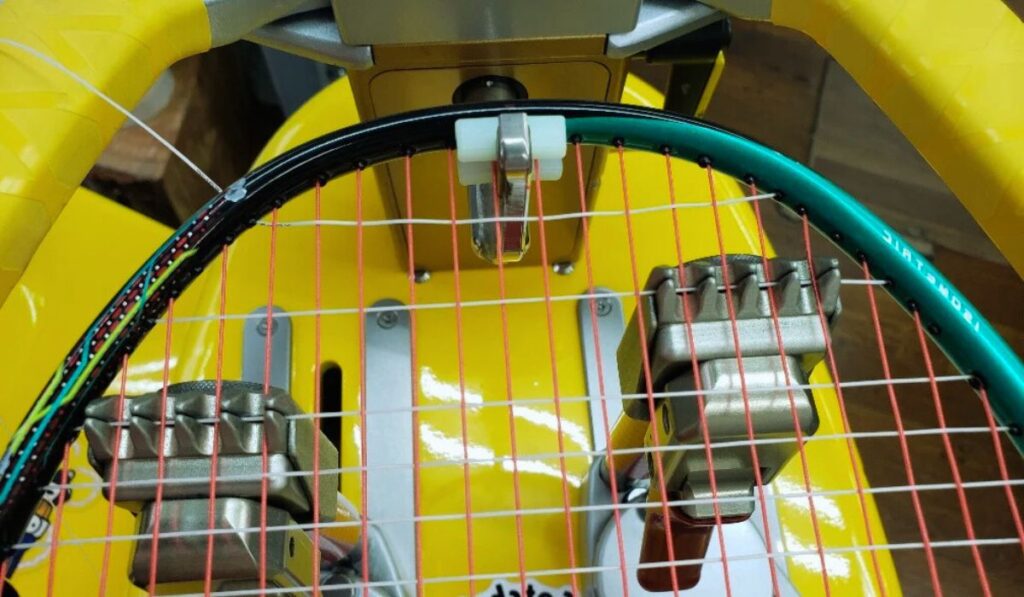
While it’s technically possible, it’s risky without professional tools and knowledge. A certified Badminton Racket String Tension uses precision machines that pull strings to exact pounds. DIY methods can cause uneven tension, leading to poor performance or frame damage. If your game matters to you, don’t cut corners.
How to Know Your Current String Tension
If you don’t remember the Badminton Racket String Tension used last time, most stringers will write it on the racket frame with a marker. Otherwise, use a digital tension tester to check the current string bed stiffness. Apps and tools now exist for this, but accuracy can vary.
The Impact of String Tension on Control and Power
One of the most significant effects of badminton racket string tension lies in how it influences your control and power. Players who string their rackets at higher tensions often gain better control over shuttle placement. This is because the shuttle remains in contact with the strings for a shorter duration, reducing the chances of a wild shot. On the other hand, lower string tension gives you more power because the shuttle stays on the strings longer, providing a slingshot effect. Understanding how badminton racket string tension governs this balance is crucial for elevating your game.
Choosing the Right Tension Based on Experience Level
Beginner players usually benefit from rackets strung at a lower tension—typically around 18 to 22 lbs. The reason is simple: lower tension provides a larger sweet spot and a more forgiving frame, making it easier to return shots even with imperfect timing. As your game improves, you might feel the urge to string your racket tighter to gain more precision. Intermediate and advanced players often opt for 23 to 28 lbs, depending on their playing style. Matching your string tension to your skill level ensures a smoother learning curve and consistent growth in your technique.
How String Tension Affects the Sweet Spot
The “sweet spot” refers to the most responsive area on the racket face. With lower tension, this spot becomes larger, making off-center hits more tolerable. If you’re someone who’s still mastering your hand-eye coordination, a looser stringbed can really help. Conversely, high tension shrinks the sweet spot, which punishes mishits but rewards perfect timing with crisp, clean shots. When selecting your badminton racket string tension, think carefully about how often you hit dead center. That choice can dramatically change how you perform under pressure.
The Role of Temperature and Climate
One overlooked aspect of string tension is how it reacts to weather. Strings expand and contract depending on the temperature. In hotter, humid climates, like many parts of India, strings tend to loosen faster. This means that players who prefer tighter strings might find themselves restringing more frequently during summer. Cold temperatures, meanwhile, can cause strings to feel tighter than they actually are. Always keep your playing environment in mind when choosing or maintaining your badminton racket string tension.
The Myth of “Tighter is Always Better”
Many players fall into the trap of thinking that higher tension equals better performance. While tighter strings can offer more control, they require excellent technique to be truly effective. If your shots feel dull or if you’re struggling to clear the shuttle, your tension might be too high for your current skill level. It’s more important to find a tension that suits your style rather than chase numbers used by professionals. Trust your feel over trends when tuning your badminton racket string tension.
How String Gauge Influences Performance
Besides tension, string thickness—or gauge—also plays a critical role in how your racket feels. Thicker strings (e.g., 0.70mm) are more durable and last longer, making them ideal for players who break strings often or play recreationally. Thinner strings (e.g., 0.66mm) offer better repulsion and control, but tend to wear out faster. Your chosen badminton racket string tension works in tandem with the gauge. For example, a thinner string at 24 lbs might feel tighter and more responsive than a thicker string at the same tension.
Doubles vs. Singles: Does Tension Matter?
Absolutely. The type of game you play can guide your string tension choices. In singles, where precision and rally endurance matter more, players often lean towards moderate tension for consistency. In doubles, the pace is faster and the emphasis is on quick reflexes and powerful smashes, so players may prefer slightly lower tension to generate explosive shots. Matching your badminton racket string tension to your match type can unlock new levels of strategy and execution.
How Often Should You Restring?
Many players neglect to restring their rackets unless the strings break, but tension naturally degrades over time. As a rule of thumb, if you play three times a week, you should restring at least once every two to three months. Frequent players who rely on precise shot-making should monitor their string performance closely. Dropping tension can go unnoticed, gradually leading to inconsistent shots. Keeping your badminton racket string tension in its optimal range helps you maintain peak performance without the guesswork.
Strings and Playing Style: A Perfect Match
If you’re an aggressive player who smashes often, lower tension combined with a repulsive string can maximize your power output. Defensive players, on the other hand, might lean toward tighter strings for better control during lifts, blocks, and net play. There is no universal best tension—only the best one for your specific style. Treat your choice of badminton racket string tension as a tool to amplify your strengths rather than correct your weaknesses.
The Mental Boost of the Right Setup
Having a racket that feels just right in your hand gives you a psychological advantage on the court. When your strings feel responsive and your shots are landing just where you intend, confidence builds naturally. This mental edge can be the deciding factor in close matches. Instead of second-guessing your setup, use the perfect badminton racket string tension to clear your mind and sharpen your focus on strategy, shot selection, and movement.
Popular Tension Ranges Used by Professionals
While professional players often use higher tensions—ranging from 27 to 30 lbs or more—their bodies and techniques are finely tuned to handle those setups. It’s tempting to mimic the pros, but blindly copying their settings can backfire for casual players. Unless you’re playing at elite levels, there’s no need to go that high. Start with moderate tension and gradually increase it as your skill and wrist strength improve. This approach lets you grow into your optimal badminton racket string tension naturally.
String Tension vs. Racket Frame: A Compatibility Check
Not all rackets can handle extremely high string tensions. Each racket model comes with a recommended tension range printed near the T-joint or inside the frame. Exceeding these limits can lead to frame deformation or breakage. It’s vital to pair your desired badminton racket string tension with a frame that can support it. Ignoring this can be an expensive mistake that compromises both safety and performance.
Indoor vs. Outdoor Badminton and String Tension
Playing conditions make a difference. If you often play outdoors, wind resistance and shuttle instability can force you to rely more on power than precision. In this case, a slightly lower tension can give you that added punch. Indoor players, with more predictable shuttle behavior, might prefer tighter strings for accuracy. Adapting your badminton racket string tension to the venue enhances shot control and minimizes errors.
Testing Tension: A Practical Tip
If you’re unsure which tension suits you, try using two rackets strung at different tensions during practice. Notice which one feels more responsive, which gives you better clears, and which one helps with net play. By comparing them side-by-side, you’ll develop a tactile understanding of how tension influences your game. This hands-on test is more reliable than relying solely on advice or online charts when selecting your badminton racket string tension.
Final Thoughts: Precision Over Perfection
The journey to finding the ideal badminton string tension isn’t about chasing perfect numbers—it’s about discovering what feels right. Everyone’s swing speed, strength, and style are unique. While it’s tempting to adopt someone else’s setup, personalization is the key to peak performance. Once you identify your ideal badminton racket string tension, you’ll unlock more consistency, power, and confidence on the court—and that’s when your true potential begins to shine.